2026-02-158 min readVIESUNCO Materials Science Team

TPE vs TPR vs Vulcanized Rubber: Comprehensive Engineering Guide for Material Selection, Tooling & Defect Troubleshooting

From molecular crosslinking mechanisms and rheology to troubleshooting 5 critical injection molding defects, discover actionable insights for engineering polymer selection.

#Material Selection#TPE vs TPR#Footwear Foam#Molding Process#Troubleshooting
TPE vs TPR vs Vulcanized Rubber: Comprehensive Engineering Guide for Material Selection, Tooling & Defect Troubleshooting

1. Polymer Physics of TPE vs. TPR

Thermoplastic Elastomers (TPE/TPR) combine the functional performance of vulcanized rubber with high processing efficiency.
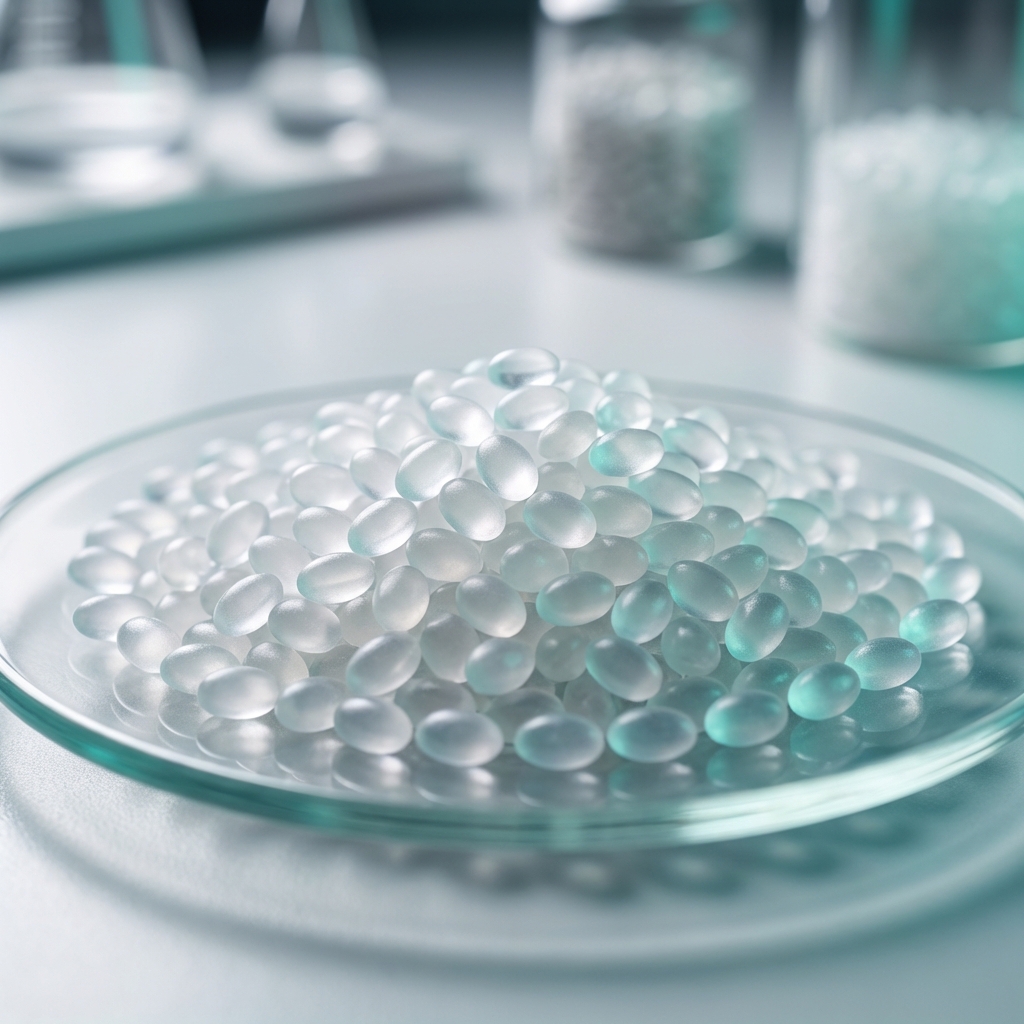
High-Tech Engineered TPE/TPR Pellets

2. Engineering Property Benchmark

Engineering MetricHydrogenated SEBS TPESBS-based TPREPDM / Natural Rubber
Hardness SpectrumShore 0A to 95A / 55DShore 10A to 90AShore 30A to 90A
Weather & UV Resistance⭐⭐⭐⭐⭐ (10+ years outdoor)⭐⭐⭐ (Indoor / Moderate outdoor)⭐⭐⭐⭐ (Requires carbon black)
Service Temp Range-50°C to +125°C-30°C to +80°C-40°C to +120°C
Molding Cycle Time15 – 35 seconds (No curing)15 – 30 seconds (No curing)3 – 15 minutes (Curing required)
Scrap Recyclability100% Closed-loop re-meltable100% Closed-loop re-meltableNon-recyclable thermoset waste
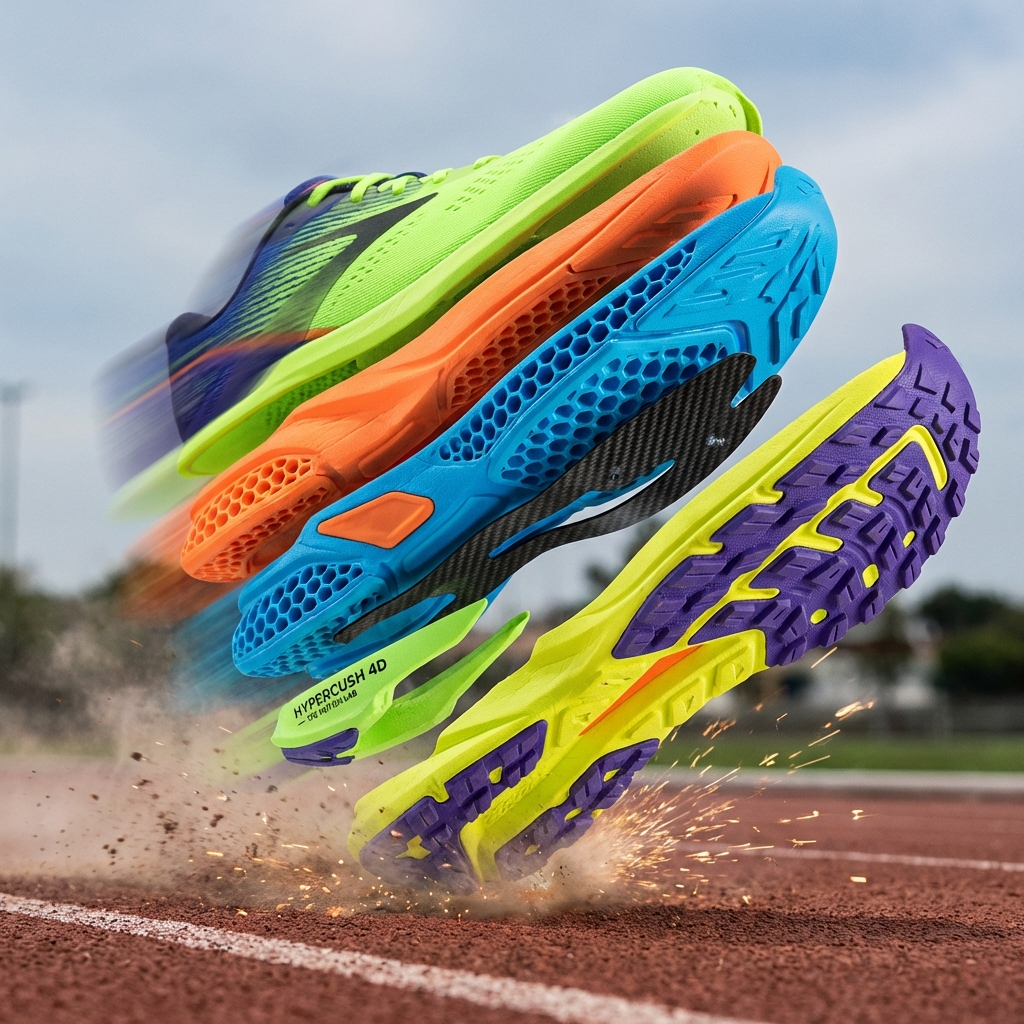
Footwear Outsole & Supercritical Midsole Foam Applications

Need a Custom TPE/TPR Formulation for Your Application?

Our polymer engineering team provides 1-on-1 technical consulting, tooling support, and complimentary testing samples.